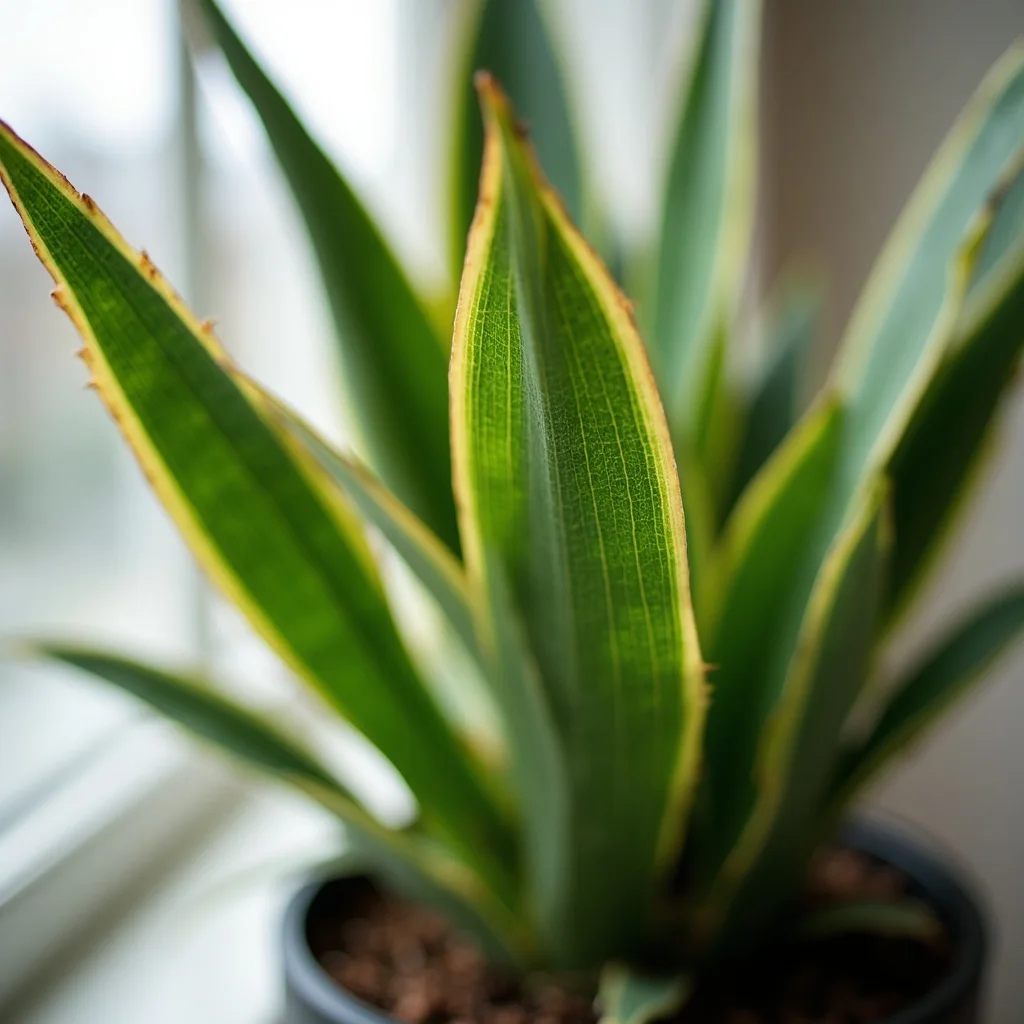
Water Stress, Fluoride, and Humidity Cause Brown Tips
Water stress, whether from overwatering or underwatering, is the primary cause of brown tips on spider plant leaves. Excessive moisture creates soggy soil that damages the foliage, while inconsistent watering schedules over weeks often combine with poor water quality to trigger the issue. Addressing these specific conditions usually prevents further browning and supports long-term plant health.
Why Spider Plants Get Brown Tips in the First Place
Spider plant brown tips often stem from environmental stressors like fluoride in tap water or low humidity. Using filtered water and increasing moisture through misting or pebble trays can mitigate these issues. When fungal disease or fertilizer burn occurs, removing damaged tips and repotting in fresh soil helps recovery. Moving the plant to shade and watering lightly supports healing if caught early enough to prevent further damage.
Why Spider Plant Leaves Turn Brown: Causes and Solutions
Spider plant brown tips often stem from underwatering, which occurs when dry soil persists during warm weather or winter. Chemical sensitivity to fluoride, chlorine, or excess fertilizer salts in the water or soil is another frequent cause. These compounds affect the plant more severely than they do most other houseplants. Understanding these specific triggers helps owners prevent browning and maintain healthy foliage without unnecessary stress.