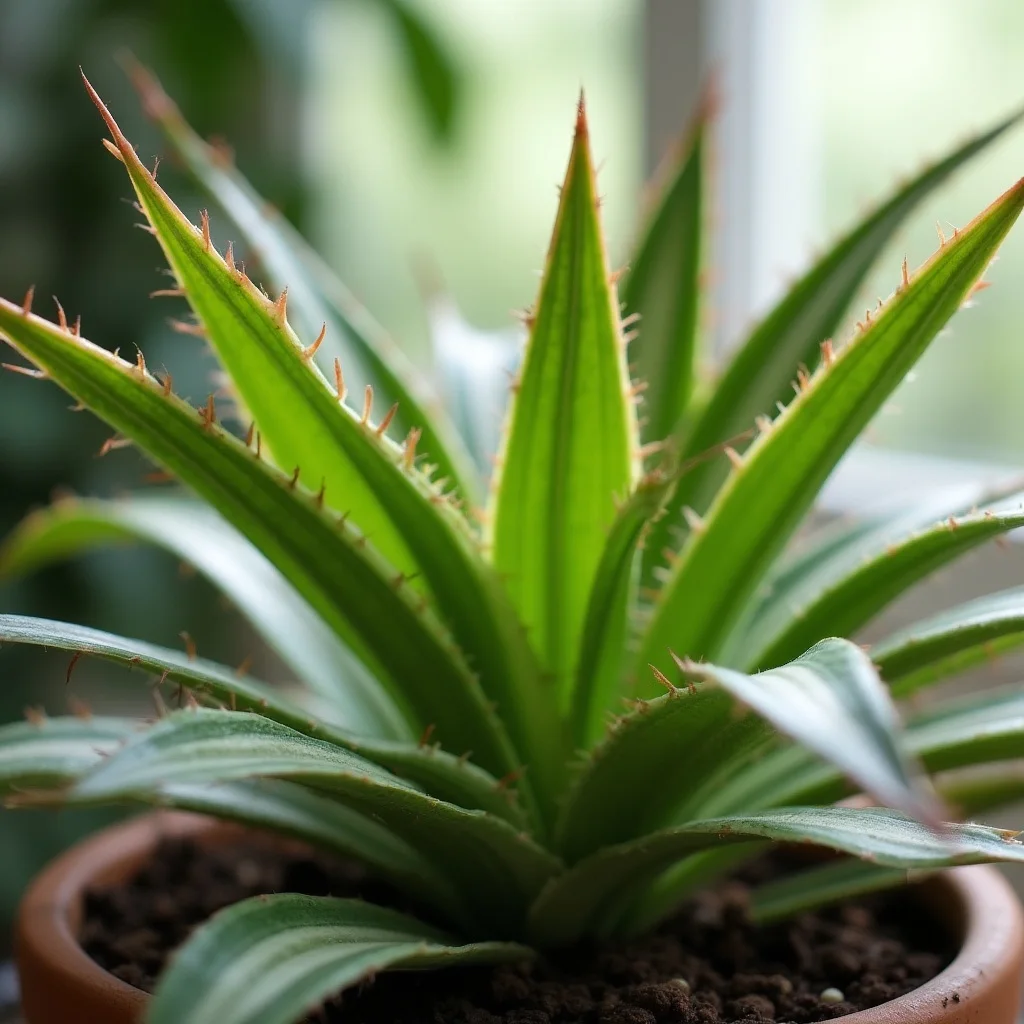
Water Stress, Quality, and Humidity Issues
Water stress remains the primary driver behind brown tips on spider plant leaves, often resulting from either overwatering or underwatering. Excessive moisture creates soggy soil conditions that directly damage leaf edges, while inconsistent watering schedules over weeks or months frequently compound the problem. These issues rarely stem from a single factor alone, as water quality, humidity levels, and fertilizer salt buildup often interact to create the visible browning that frustrates many plant owners.
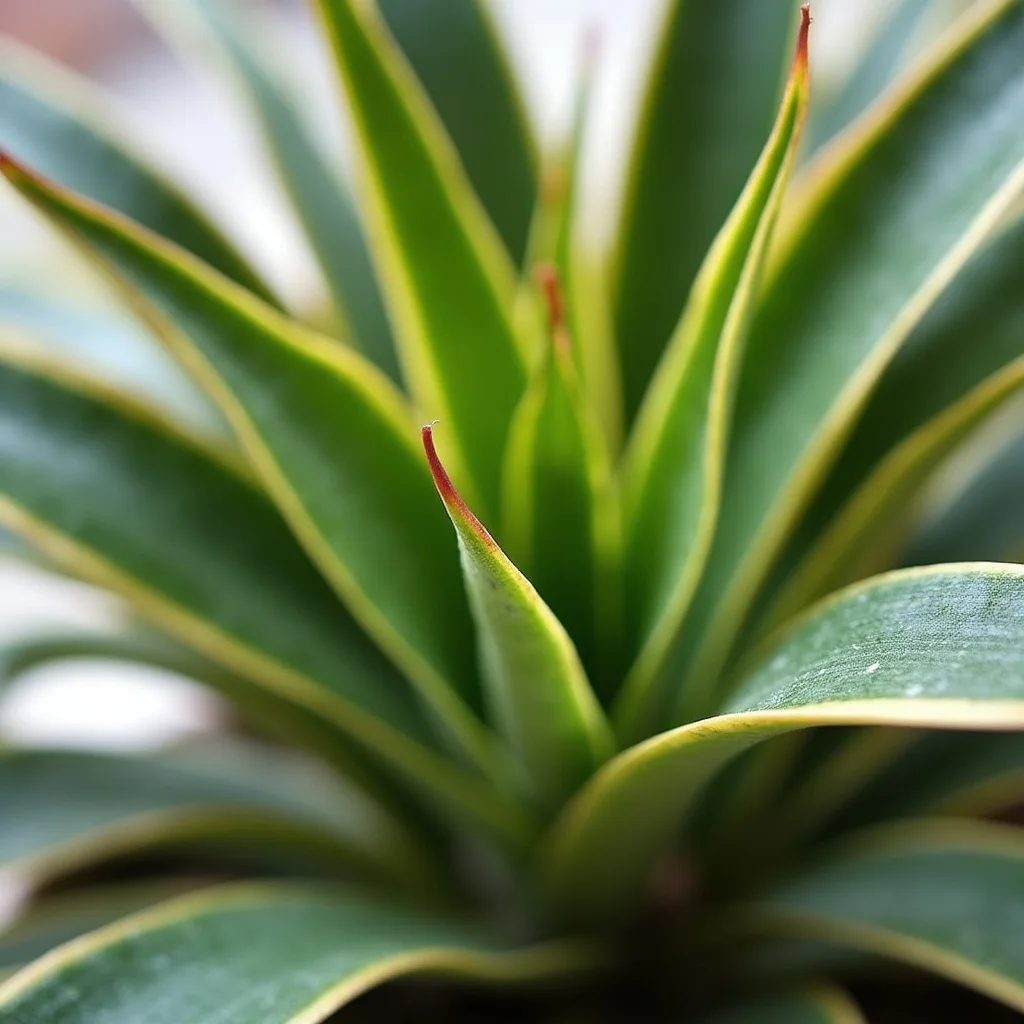
Causes and Solutions for Brown Tips on Spider Plants
Spider plant brown tips often result from environmental stressors like fluoride in tap water or low humidity. Using filtered or distilled water prevents cellular damage at leaf margins, while misting leaves or placing a pebble tray helps maintain necessary moisture levels. Adjusting these care practices addresses the specific causes of necrosis and supports overall plant health without requiring complex equipment or expensive treatments.
Causes of Brown Tips on Spider Plant Leaves
Brown tips on spider plant leaves often stem from over- or underwatering, excessive sunlight, hard water, pests, or diseases. Identifying the specific cause allows you to adjust care routines and nurse the plant back to full health. For instance, if overwatering is the issue, ensure the pot has proper drainage and allow the top inch of soil to dry before watering again. Correcting these environmental stressors helps prevent root rot and keeps the foliage healthy.